How to Verify THCA Lab Results: A Step-by-Step Guide
Table of Contents
- Why Verifying THCA Lab Results Matters
- How to Read a THCA COA: The Basics
- Step 1: Locate and Access the Certificate of Analysis
- Step 2: Verify the Cannabis COA QR Code and Lab Details
- Step 3: Check THCA Contaminant Testing Results
- Step 4: Confirm Product-to-COA Matching and Batch Consistency
- Red Flags That Indicate Unreliable THCA Lab Results
- Frequently Asked Questions
Last Updated: October 12, 2026
Why Verifying THCA Lab Results Matters
Understanding how to verify THCA lab results is one of the most important steps you can take as a consumer. When you buy THCA products, you're trusting that what's on the label matches what's actually in the package. Without verification, you're essentially buying blind.
Lab results tell you three critical things: potency (how much THCA is actually there), purity (what contaminants might be present), and safety (whether the product has been properly tested). A product that claims 25% THCA but delivers 10% won't give you the effects you're expecting. Worse, a product with hidden mold, pesticides, or heavy metals could harm your health.
At Tree Haus Cannabis Boutique, we stand behind every product we carry with verified lab testing. Our commitment to transparency means every item comes with a Certificate of Analysis you can actually verify. This guide walks you through exactly how to read and validate those results so you know what you're getting.
How to Read a THCA COA: The Basics
A THCA Certificate of Analysis is a document from an independent testing lab that breaks down what's in your product. It shows cannabinoid percentages, contaminant levels, and other test data. The key word here is "independent", the lab should have no financial relationship with the company selling the product.
Most COAs follow a similar structure. At the top, you'll find product information: the product name, batch number, and testing date. The middle section lists cannabinoid results, showing percentages of THCA, Delta-9 THC, CBD, and other compounds. The bottom sections cover contaminant testing for things like pesticides, heavy metals, and microbial contaminants.
Understanding this layout helps you spot problems quickly. A legitimate COA is organized, easy to read, and includes specific lab details. A rushed or poorly formatted COA is often a red flag.
What a THCA Certificate of Analysis Should Include
A complete COA should have these elements:
- Lab name and contact information , a real, verifiable testing facility
- Product identification , exact product name, batch number, and testing date
- Cannabinoid profile , THCA percentage and other cannabinoid levels
- Contaminant testing results , pesticides, heavy metals, microbial testing
- Lab accreditation details , certifications or compliance standards
- QR code or digital verification link , allows you to check authenticity
- Lab director signature or approval , proof an actual chemist reviewed the results
- Limits of detection , shows how precise the testing was
Missing any of these elements is a warning sign. A legitimate lab includes all of them because they're industry standard.
Step 1: Locate and Access the Certificate of Analysis
Finding the COA is your first step. Most reputable retailers include a link to the COA on the product page or in the order confirmation email. Some provide a physical copy in the package.
If you don't see a link, ask for it directly. A company that hesitates to provide lab results or claims they don't have them should raise immediate concerns. Legitimate businesses make COAs easy to access because they have nothing to hide.
When you get the COA, check the file format and source. A PDF from the lab's official website is better than a screenshot or image file. Screenshots are easier to fake. If possible, visit the lab's website directly and verify the product is listed in their database.
Keep a copy of every COA you receive. This creates a record you can reference later and helps you spot patterns if you notice issues across multiple products from the same brand.
Step 2: Verify the Cannabis COA QR Code and Lab Details
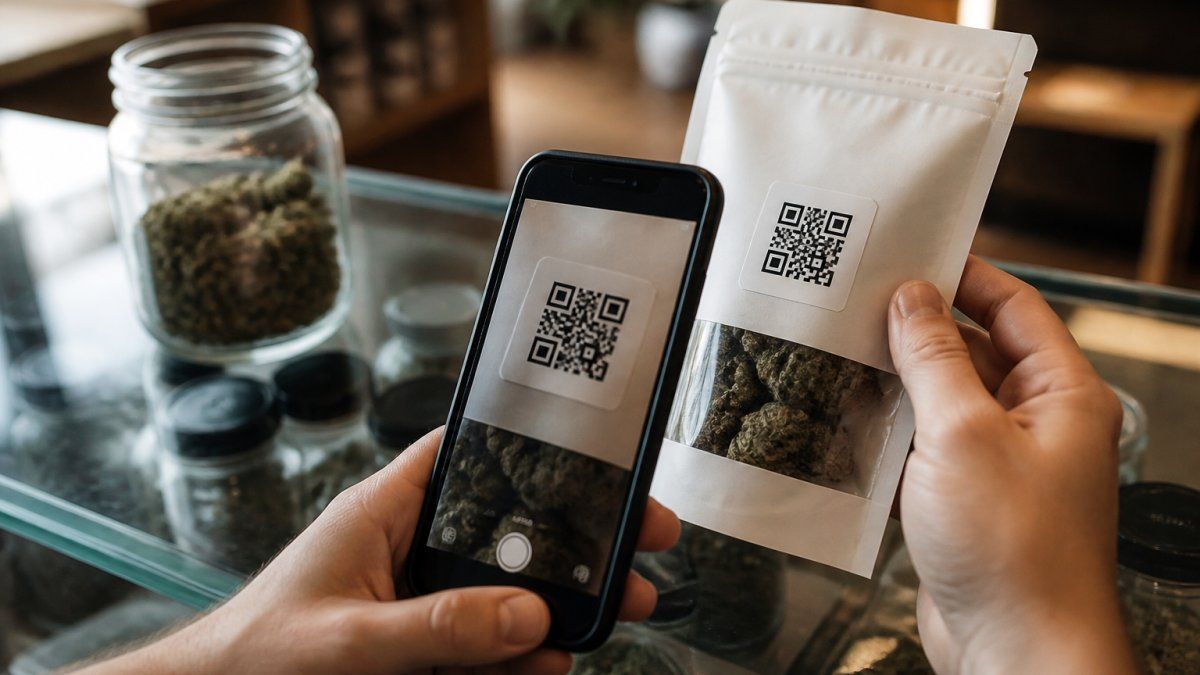
Most modern COAs include a QR code that links directly to the lab's verification system. This is one of the easiest ways to confirm a COA is real.
Use your smartphone camera or a QR code reader app to scan the code. If it takes you to a legitimate lab verification page that shows the exact product and batch number, that's a strong sign the COA is authentic. If the QR code doesn't work, leads to a broken page, or shows different product information, stop right there, that COA is likely fake.
Next, verify the lab itself. Look up the lab's name online and check:
- Does the lab have an official website?
- Are they listed in state or federal testing registries?
- Do they have real contact information?
- Are there reviews or complaints about them online?
A quick phone call to the lab can confirm they actually tested the product. Give them the batch number and product name. If the lab has no record of testing that batch, the COA is fraudulent.
Step 3: Check THCA Contaminant Testing Results
Potency numbers look great on marketing materials, but contaminant testing is where real safety happens. This section of the COA tells you what harmful substances, if any, made it into the product.
Look for testing results in these categories:
- Pesticides , residual pesticide levels should be below state limits
- Heavy metals , lead, cadmium, and arsenic should be undetectable or minimal
- Microbial contaminants , mold, bacteria, and yeast levels should be safe
- Solvents , residual solvents from extraction should be absent or minimal
- Mycotoxins , toxic compounds produced by mold should be undetectable
Each result should show either "Passed" or "Not Detected" for harmful substances. If you see "Detected" for pesticides or heavy metals, that's a problem. Some labs list specific numbers (like "Lead: <0.1 ppm") rather than just "passed" or "failed." Lower numbers are better, and the lab should show what the legal limit is.
Pay special attention to microbial testing. Mold and bacteria in cannabis products can cause serious respiratory issues. If the COA shows any microbial contamination, avoid that product.
If large sections of contaminant testing are blank or missing entirely, that's a major warning sign. A complete COA tests for all major contaminant categories.
Step 4: Confirm Product-to-COA Matching and Batch Consistency
Now that you've verified the COA is real, make sure it actually matches the product you received or are about to buy.
Check these details carefully:
- Product name , must exactly match what's on the label
- Batch or lot number , should match the package you have
- Testing date , should be recent (within the last 6 months is ideal)
- THCA percentage , compare it to marketing claims on the label or website
- Product format , the COA should specify flower, gummies, vape, pre-roll, etc.
If the batch number on your package doesn't match the COA, you have the wrong lab result for that product. This happens sometimes when retailers mix inventory or repackage products. Don't assume it's intentional, it might be a mistake, but verify before using the product.
Batch consistency is also worth checking. If you've bought from the same brand before, compare the THCA percentages across batches. Wild swings in potency from batch to batch (like 18% in one batch and 32% in the next) suggest inconsistent quality control or possible problems with testing accuracy.
Red Flags That Indicate Unreliable THCA Lab Results
Certain warning signs tell you a COA might be fake or unreliable. Learn to spot them:
Missing or incomplete information , No lab name, no batch number, no testing date, or blank sections all suggest the COA wasn't carefully prepared or is fraudulent.
Too-perfect results , If every single test shows perfect numbers with no variation, that's suspicious. Real products have slight variations in results.
QR code that doesn't work , A non-functional QR code or one that shows different product information is a major red flag.
Lab you can't verify , If the lab doesn't have a website, phone number, or any online presence, it probably doesn't exist.
Extremely high THCA percentages , Claims of 40%+ THCA are rare and usually exaggerated. Be skeptical of suspiciously high numbers.
No contaminant testing , If the COA only shows cannabinoid results and skips pesticide, heavy metal, or microbial testing, the lab cut corners.
Recent testing date with old product , If the COA is dated last month but the product has been on a shelf for six months, something's off.
Generic or vague language , Phrases like "meets standards" without specific numbers or "tested for safety" without actual results are warning signs.
When you spot any of these red flags, don't buy the product. There are plenty of companies that do testing right. Choosing one of them protects your health and ensures you get what you pay for.
Knowing how to verify THCA lab results gives you real power as a consumer. You're no longer relying on marketing claims or brand promises, you're checking the actual science. At Tree Haus Cannabis Boutique, we make verification simple because every product we carry includes a complete, verifiable COA. When you shop with us, you get transparency, quality, and the confidence that what you're buying is exactly what the label says. Ready to shop products you can trust? Visit us in-store or online to explore our curated selection of tested, verified THCA flower, pre-rolls, vapes, and gummies.
Frequently Asked Questions
How can you verify that a THCA lab report is authentic?
Verify authenticity by scanning the QR code on the product label, checking that the lab's contact information and accreditation details are current, and confirming the batch number matches your product. Contact the testing lab directly using the phone number or email on the COA, not contact info you find online, to confirm they issued the report. Authentic labs maintain detailed records and can quickly verify batch information.
What should a THCA certificate of analysis include?
A complete THCA certificate of analysis should list THCA potency percentage, total cannabinoid content, testing date, batch number, product description, the lab's accreditation status, contaminant test results (pesticides, heavy metals, microbial), and the lab's contact information. Missing sections, especially contaminant data or accreditation details, signal incomplete testing and should raise concerns about product safety.
Which contaminants should you check for in THCA lab results?
Check for pesticides, heavy metals (lead, cadmium, arsenic), microbial contaminants (E. coli, salmonella), mold and mildew, and residual solvents. Results should show either 'not detected' or values below regulatory limits. Any contaminant above allowable thresholds means the product failed testing and should not be consumed.
Can you contact the testing lab to confirm a THCA COA?
Yes. Use the lab contact information printed on the certificate itself, never rely on online searches alone. Call or email with the batch number and product name, and ask them to verify they tested that specific batch. Legitimate labs respond quickly and maintain detailed records. If the lab cannot locate the batch or doesn't respond, the COA is likely fraudulent.